
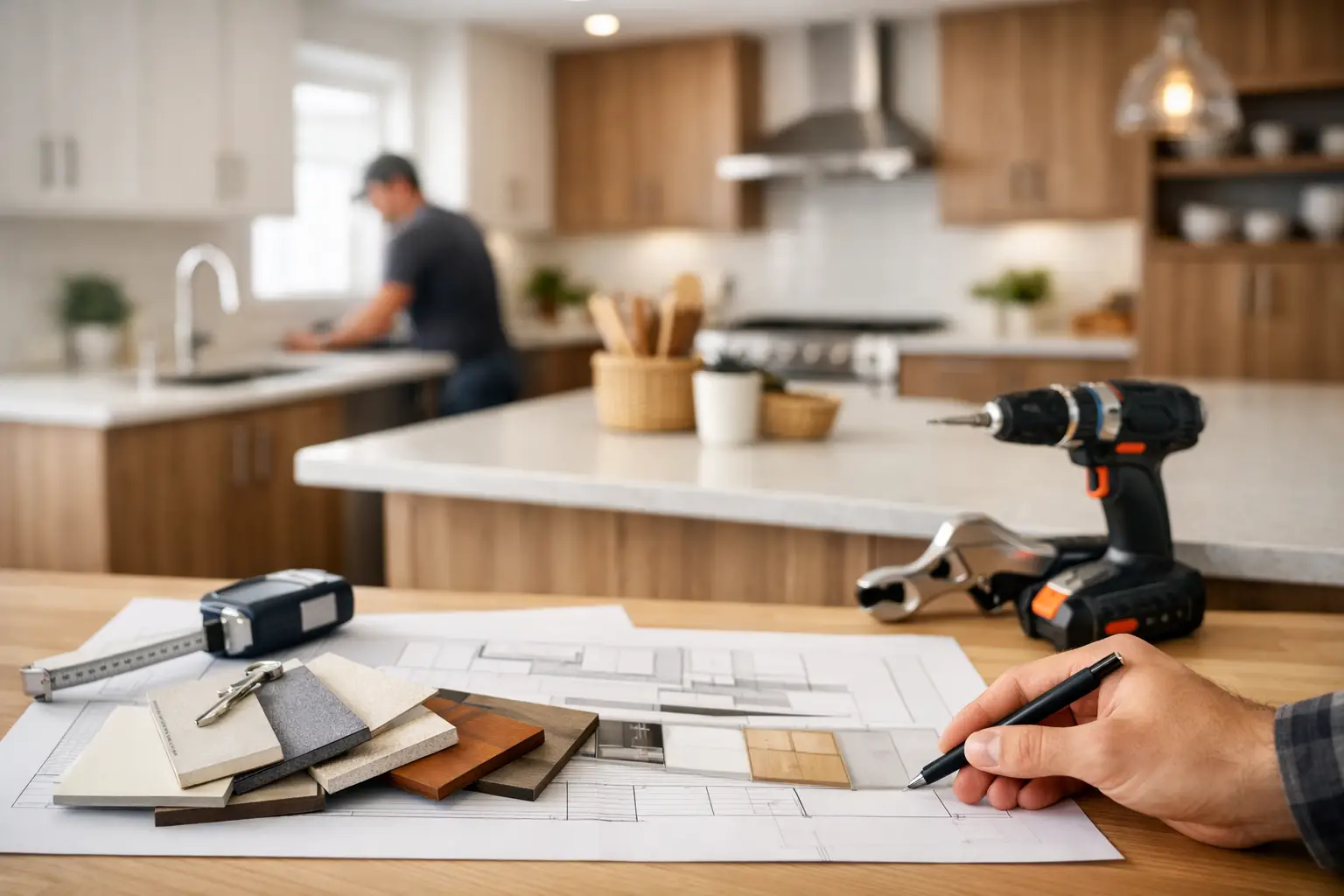
A kitchen can look tired long before it stops working. In many Barrie and Simcoe County homes, the cabinet boxes are still solid, but dated doors, worn finishes, crowded drawers, and limited storage make the room feel older than it is. A thoughtful kitchen remodel should address those daily frustrations without asking you to replace good materials or take on more disruption than your home needs.
The right approach depends on the condition of your existing cabinetry, how you use the room, and what you want to change. For some homeowners, cabinet refacing delivers the fresh, finished look they want at a more manageable cost. For others, new cabinetry or a redesigned layout is the better long-term choice. The value is in making that decision before products are selected and work begins.
Start Your Kitchen Remodel With How You Live
Before choosing door colours or countertop samples, consider what happens in your kitchen on an ordinary weekday. Perhaps two people cannot work at the counter at the same time. Perhaps cookware is stored too far from the range, pantry items disappear into deep shelves, or a growing family needs a better place for lunches, homework, and recycling.
These practical details shape a renovation more than a passing design trend. A kitchen that looks beautiful but leaves the same storage problems in place will not feel like a meaningful improvement six months later. Begin by identifying the two or three frustrations you most want to solve, then use them to guide every decision that follows.
It also helps to separate needs from wants. Better drawer organization, easier access to corner cabinets, and a layout that supports safe movement are needs for many households. A new colour palette or decorative hardware may be a want, but it can still make a major difference to the feeling of the room. Both matter. The key is setting priorities so the budget is spent where it will be noticed every day.
When Cabinet Refacing Is the Smart Choice
Cabinet refacing preserves your existing cabinet boxes while updating the visible surfaces with new doors, drawer fronts, and finishes. It can be an excellent option when the cabinet structures are sound, the layout already works well, and the goal is to modernize the appearance without the expense and upheaval of removing everything.
This is not simply a cosmetic shortcut. Quality refacing can give a kitchen a clean, custom appearance while allowing room for useful upgrades. New hardware, soft-close hinges, pull-out trays, drawer organizers, pantry accessories, and updated counters can all be considered as part of the project. The result can feel dramatically different, particularly in a kitchen where the original cabinetry was well built.
Refacing is often a good fit for homeowners who want to stay in their home during the work. Because the existing cabinet boxes remain in place, the process is generally less disruptive than a full tear-out. It can also reduce waste, which is appealing when perfectly serviceable materials do not need to be sent away simply because their style has aged.
There are limits. Refacing will not correct cabinet boxes that are damaged by moisture, poorly constructed, or no longer suited to the space. It will not change the footprint of a kitchen that feels cramped or awkward. An experienced renovation professional should assess the existing cabinetry honestly rather than recommending the same solution for every home.
Signs Your Existing Cabinets May Be Worth Keeping
Solid cabinet boxes, doors that can be replaced without changing the layout, and a kitchen that already has adequate working space are encouraging signs. If the main concerns are finish, style, and storage convenience, refacing may offer the strongest return for the investment.
On the other hand, persistent water damage under the sink, sagging cabinet sides, major layout problems, or a need to move appliances substantially may point toward new cabinetry. Choosing replacement where it is genuinely needed protects the quality and lifespan of the finished kitchen.
When New Cabinets Make More Sense
A full cabinetry update gives you more freedom to rethink the room. It may be the right answer if your existing cabinets are in poor condition, if the kitchen was designed for a different way of living, or if you are planning broader changes to plumbing, electrical work, flooring, or appliance locations.
New cabinets can make a compact kitchen work harder. Taller pantry cabinets can reduce clutter on the counter. Deep drawers can make pots and dishes easier to reach than low shelves. Purpose-built storage for recycling, baking supplies, spices, or small appliances can return valuable space to the room.
For homeowners preparing a property for sale, new cabinets can also be a worthwhile consideration when the current kitchen is visibly worn or the layout makes the space feel dated. The best decision depends on the home, the neighbourhood, and the expected return. A carefully planned update is usually more appealing to buyers than an expensive renovation filled with highly personal choices.
Locally made standard and custom cabinetry offers flexibility here. Standard cabinet sizes can suit many projects efficiently, while custom pieces can solve unusual corners, ceiling heights, or storage needs. A good design balances both options instead of treating custom work as necessary everywhere.
Build the Budget Around the Parts You Cannot Easily Change
A kitchen remodel budget should account for more than cabinets and counters. Installation, electrical changes, plumbing adjustments, backsplash work, flooring repairs, and disposal can all affect the final number. Clear planning early helps prevent a project from being shaped by surprises later.
Spend first on the features that affect function and are difficult to alter once the kitchen is complete. Cabinet construction, storage layout, drawer quality, and professional installation usually matter more over time than a decorative detail that can be updated later. This does not mean choosing the most expensive option. It means choosing materials and workmanship appropriate for how long you expect to enjoy the kitchen.
Be realistic about where compromise is sensible. Keeping a workable layout may allow more room in the budget for better storage. Selecting a durable, readily available door style may be preferable to stretching the budget for a finish that does not improve function. A professional estimate should explain what is included, what may be optional, and where choices can affect cost.
Choose Finishes That Will Still Feel Right Later
Showroom samples are valuable because colour and texture behave differently in a real home than they do on a screen. Bring photos of your kitchen, note the direction of natural light, and consider adjoining rooms. A warm white door may suit one home beautifully while looking stark beside a cooler floor or countertop in another.
Classic choices are often the easiest to live with. Neutral cabinet colours, simple profiles, durable hardware, and a countertop that supports the room rather than competes with it tend to age well. That does not mean every kitchen should look the same. A deeper cabinet colour on an island, a warm wood accent, or distinctive hardware can add personality without making the entire room feel tied to a short-lived trend.
Practicality belongs in finish selection too. Busy family kitchens may benefit from materials that are easy to wipe down and hardware that stands up to frequent use. If accessibility is a concern, D-shaped pulls, drawers instead of lower cabinets, and easy-to-reach storage can make daily tasks more comfortable.
Protect the Experience as Well as the Result
Renovation work happens in the centre of your home, so the installation experience matters. Homeowners should know who will be in their home, how the work area will be protected, what the expected schedule is, and how questions or unexpected conditions will be handled. Licensed and insured service provides an added level of confidence.
Good communication is especially important when a project involves several trades. Small decisions about appliance measurements, countertop timing, and backsplash installation can affect the schedule. A knowledgeable team can help coordinate those details and keep expectations realistic. There may still be adjustments along the way, but they should be explained clearly and handled with care.
For more than 35 years, Barrie Kitchen Saver has helped local homeowners assess whether refacing, new cabinets, or storage upgrades are the best fit for their homes. A visit to a showroom can make the process more concrete, allowing you to compare door styles, colours, hardware, and cabinetry options before committing to a direction.
Give Yourself Permission to Choose the Sensible Option
The most satisfying kitchen is rarely the one with the longest list of features. It is the one that makes mornings easier, keeps essentials within reach, and feels like it belongs in your home. Whether that means preserving solid cabinet boxes through refacing or starting fresh with new cabinetry, a well-considered choice can bring lasting value without unnecessary complexity.
Take the time to look closely at what is already working, what is getting in the way, and what would make the biggest difference for your household. That clarity is the best place to begin a kitchen you will be proud to use and happy to recommend.