
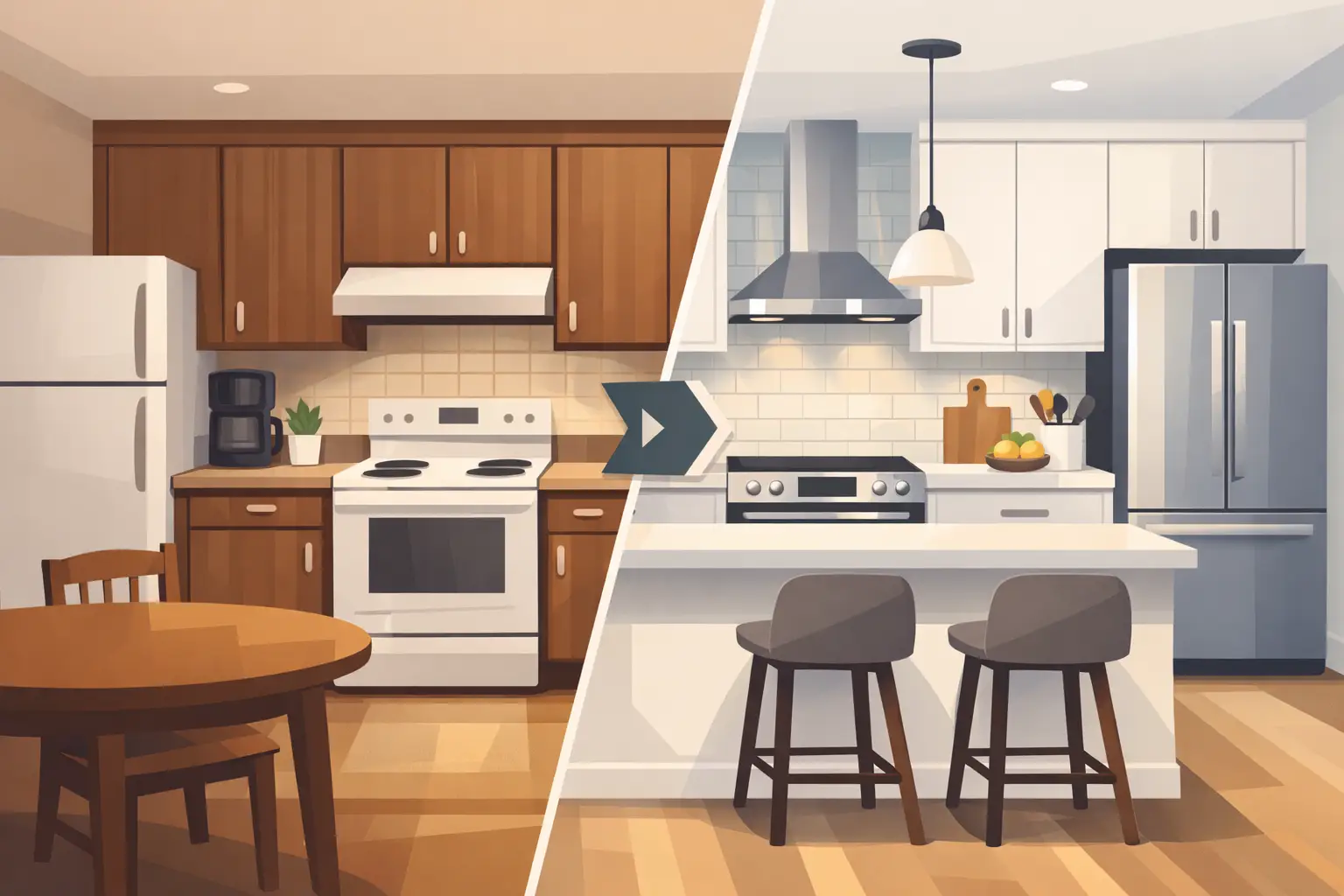
A kitchen can feel tired long before it stops working. Oak doors that once looked warm can start to feel heavy. Worn finishes, dated profiles, and limited storage details can make the whole room seem older than it is. That is why homeowners often start searching for kitchen refacing before and after examples – they want to know if the change will be noticeable enough to be worth it.
In many homes, the answer is yes. When the cabinet boxes are still solid and the layout already works, refacing can create a dramatic visual change without the cost, mess, and downtime of a full tear-out. The right project does not just look newer in photos. It feels cleaner, brighter, and more functional in day-to-day use.
What kitchen refacing before and after really means
Before and after photos can make any renovation look simple, but real value comes from understanding what changed. Kitchen refacing keeps the existing cabinet framework in place and updates the visible surfaces. That usually includes new cabinet doors and drawer fronts, new veneer or matching material on exposed cabinet ends and face frames, and updated hardware. Homeowners often pair this with new countertops, a backsplash, or storage upgrades to complete the transformation.
The biggest shift in most before and after projects is visual consistency. Older kitchens often have faded finishes, mismatched repairs, or door styles that date the room immediately. After refacing, the cabinets look cohesive again. Cleaner lines, updated colours, and better proportions can make the whole kitchen feel more current even when the footprint has not changed.
That said, refacing is not a cure-all. If cabinet boxes are damaged, poorly built, or badly laid out, replacing them may make more sense. A good renovation partner should say that plainly.
Why the after looks so different without a full renovation
The reason kitchen refacing delivers such a noticeable difference is simple. Cabinetry takes up a large share of the visual space in a kitchen. Change the cabinet doors, finish, and hardware, and you change the room.
A dated kitchen often has one or more common issues. The wood tone may be too orange or too dark for the amount of natural light in the room. The door profile may feel busy and traditional when the homeowner wants something simpler. The handles may be worn, small, or inconsistent. Once those elements are updated together, the kitchen stops looking pieced together and starts looking intentional.
Colour also plays a major role in before and after results. Light finishes can open up a smaller kitchen and help it feel cleaner. Richer tones can add warmth and depth without making the room feel old-fashioned, depending on the door style and surrounding materials. What works best depends on the home, the lighting, and how the space is used.
Kitchen refacing before and after: what homeowners notice first
Most homeowners notice the brightness first. Even when the layout stays exactly the same, lighter or more current finishes can make the kitchen feel larger. That matters in family homes where the kitchen is used constantly and in older homes where the original cabinetry may visually weigh down the room.
The second thing people notice is how much newer the kitchen feels. Refacing does not move walls or relocate plumbing, but it can remove the visual age that makes a kitchen feel overdue for renovation. A simple shaker door, updated hardware, and a coordinated countertop can close the gap between a 1990s kitchen and something that feels current today.
The third thing is often pride. Homeowners want a kitchen they are comfortable using and happy to show. That emotional difference is harder to capture in a photo, but it matters just as much as the finish itself.
When refacing is the smart choice
Refacing works best when the cabinet boxes are structurally sound and the existing layout still suits the household. If you already have enough base and wall cabinets in the right places, replacing everything may be unnecessary. In those cases, refacing can be the practical middle ground between doing nothing and starting over.
It is also a strong option for homeowners who want a fresh result with less disruption. A full kitchen renovation can affect daily routines for weeks. Refacing is typically more contained, which appeals to busy families, older homeowners, and anyone who wants to improve the kitchen without turning the house upside down.
Cost is another reason people compare kitchen refacing before and after projects. The final look can be surprisingly close to a full renovation when the original structure is worth keeping. The savings can then be directed to countertops, lighting, or storage features that improve the room in ways homeowners feel every day.
When before and after photos can be misleading
Photos are helpful, but they do not tell the full story on their own. Good lighting, wide angles, and styling can make any project look more dramatic. What matters more is whether the renovation solved the right problem.
For example, if the kitchen looked dated because of cabinet style alone, refacing can be an excellent solution. If the real issue was poor workflow, too little prep space, or failing cabinet boxes, then a nice after photo may hide the fact that the underlying problems remain.
That is why an in-home assessment matters. An experienced company will look beyond the surface. They will check whether the boxes are in good condition, whether doors and drawers can be updated properly, and whether add-ons such as pantry improvements or drawer conversions should be part of the plan.
The small upgrades that improve the after
The best before and after results often come from more than doors alone. Small additions can make the updated kitchen feel complete.
New hardware is one of the simplest examples. Changing old knobs or pulls can sharpen the overall style and make cabinets easier to use. Soft-close hinges and drawer hardware add a quality feel that homeowners notice immediately.
Storage improvements also have a big effect. Pull-out shelves, deeper drawers, recycling centres, and better pantry organization do not always show up dramatically in photos, but they can change how the kitchen works every day. For many homeowners, that practical improvement is just as valuable as the visual one.
Countertops, backsplash tile, and under-cabinet lighting can also elevate the final result. Whether those upgrades belong in the same project depends on budget and condition. Sometimes refacing alone is enough. Sometimes it makes sense to do the visible surfaces together so the kitchen feels finished instead of halfway updated.
What to expect from the process
A successful refacing project starts with honest evaluation. Not every kitchen is a fit, and a trustworthy contractor should be clear about that from the beginning. If the boxes are solid, the next step is choosing door style, colour, finish, and hardware that fit the home rather than chasing a trend that may age quickly.
This is where showroom selection and practical guidance make a difference. Many homeowners know what they dislike about their current kitchen but are less certain about what will still feel right five or ten years from now. Comparing samples in person helps narrow those choices and avoid expensive second-guessing.
Installation should feel organized and respectful of the home. Clean workmanship, careful scheduling, and attention to finish details are what turn good materials into a polished after result. In a market like Barrie and Simcoe County, that local reputation matters. Homeowners want to know who is coming into their house and whether the work will be done properly.
For that reason, many choose experienced specialists such as Barrie Kitchen Saver, where the process is built around clear guidance, dependable service, and craftsmanship that stands up over time.
Is the difference worth it?
If you are looking at kitchen refacing before and after examples and wondering whether the change is big enough, the better question is whether your kitchen needs replacement or renewal. For many homeowners, renewal is enough. When the bones are good, refacing can turn a dated kitchen into a space that feels current, clean, and much more enjoyable to use.
The best projects are not about chasing the most dramatic photo. They are about making thoughtful improvements that suit the home, respect the budget, and deliver a result that still feels right after the excitement of renovation day has passed.
A good kitchen should feel better every time you walk into it, not just the first time you see the after picture.